Dutch Shepherd Protection Dogs
The Dutch Shepherd is one of the lesser known working breeds in the United States, but among trainers and handlers familiar with the breed, it’s highly respected for its intelligence, work ethic, and balanced temperament. At Guardian Protection Dogs, we train Dutch Shepherds from proven European working lines, offering families a breed that combines strong protective instinct with a notably even, less reactive day to day temperament than some other working breeds.
Book a Free Consultation
Available Now
This is the Dutch Shepherd currently available for placement. Tap through to see photos, bio, and full details.
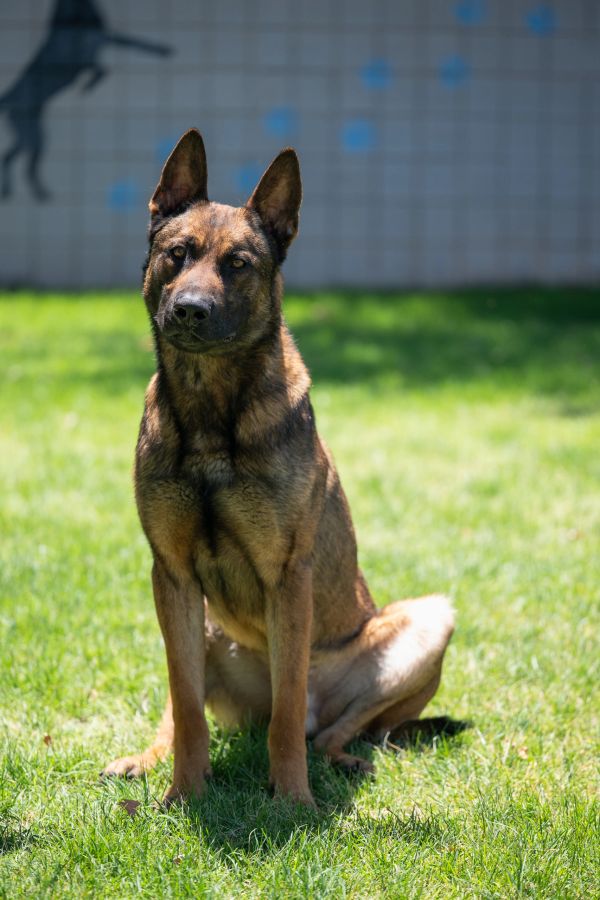
Breed Temperament
Dutch Shepherds are intelligent, watchful, and naturally reserved with strangers without tending toward reactivity or nervousness, a combination that makes them excellent protection dogs when properly trained. They tend to be highly biddable, meaning they respond well to consistent handling and pick up training quickly, while also displaying a strong independent streak that reflects their working dog heritage as all purpose farm and herding dogs in the Netherlands.

Why Choose a Dutch Shepherd from Guardian Protection Dogs
Dutch Shepherds are less commonly available than German Shepherds or Malinois in the United States, which reflects the breed’s relative rarity here rather than any gap in ability. The breed is well established and highly regarded in Europe. Every Dutch Shepherd in our program goes through the same individualized evaluation and training process as our other breeds: temperament assessment first, then progression through obedience, socialization, and protection training in that order.
Living with a Dutch Shepherd
A well trained Dutch Shepherd from our program is watchful without being anxious, reserved with strangers without being unpredictable, and capable of settling calmly indoors once properly exercised and mentally engaged. The breed’s natural wariness toward unfamiliar people, a trait that makes it an excellent protector, is balanced by thorough socialization training, so the dog can distinguish between a normal guest and an actual threat rather than treating every unfamiliar person the same way.

A Brief History of the Breed
The Dutch Shepherd was developed in the Netherlands as an all purpose farm dog, herding livestock, guarding property, and pulling carts, often all in the same day. That varied working background is part of why the breed is so adaptable and intelligent; unlike breeds developed for a single specialized task, the Dutch Shepherd was bred to think independently and handle a range of jobs, which translates directly into the kind of versatile, trainable temperament that makes for an excellent protection dog today. The breed nearly disappeared in the mid 20th century as farming mechanized, and it remains far less common in the United States than the German Shepherd or Belgian Malinois, despite being closely related to both.
Training Timeline
Dutch Shepherds in our program follow the same three pillar structure as every breed we place, obedience, socialization, then protection, with particular attention paid to channeling the breed’s natural independence into responsive, reliable obedience without dampening the working drive that makes it effective.
Exercise and Household Fit
Dutch Shepherds need regular physical exercise and mental engagement, similar to our other working breeds. A long walk or run, combined with some form of structured training or play, tends to keep a Dutch Shepherd well balanced. Households with a moderately active lifestyle, not necessarily high intensity, but consistent, tend to be the best fit for this breed.

Coat Varieties
One distinctive feature of the Dutch Shepherd is that the breed comes in three coat varieties: short haired, long haired, and rough or wire haired. All three share the same underlying temperament and working ability. The difference is purely cosmetic and a matter of grooming needs and personal preference.
A Breed Worth Considering
Because the Dutch Shepherd is less familiar to most American buyers, we spend extra time during consultations walking through what makes the breed distinct and whether its particular blend of independence, intelligence, and watchfulness fits your household. . Call 610-401-7256 or email info@guardianprotectiondogs.com to learn more about our current Dutch Shepherds in training.
Book a Free Consultation