Socialization Training: Safe with Families and Children
Socialization is one of the three core pillars of every Guardian dog’s training, and arguably the most important one for a family protection dog specifically. A dog that can’t be trusted around people isn’t protecting anyone. It’s a liability. Socialization training is what transforms a naturally protective working dog into one that’s genuinely safe, calm, and appropriate in the everyday chaos of family life.
Book a Free Consultation
What Socialization Training Actually Covers
Socialization isn’t a single exercise. It’s exposure to the full range of situations a dog will encounter living in a family home, repeated consistently until the dog’s default response is calm rather than reactive. Our socialization program includes structured exposure to children of different ages and energy levels, house guests and unfamiliar visitors, other dogs and household pets, vehicles and travel, public environments like stores and parks, unfamiliar sounds and environments, and being handled by people other than the primary trainer.
Each of these situations is introduced gradually and reinforced repeatedly, not just experienced once and checked off a list. A dog that meets one child calmly during training hasn’t necessarily learned to be calm around children in general. Real socialization means the behavior generalizes across many different children, situations, and contexts, so you can trust it consistently rather than hoping it holds up.
Why This Matters More Than People Expect
Most people shopping for a protection dog focus heavily on the protection training itself, the bite work, the command response, the capability. Socialization gets far less attention, but it’s actually the foundation that makes everything else safe to live with. A dog with excellent protection training and poor socialization is unpredictable: it may react to a delivery driver, a child’s sudden movement, or an unfamiliar guest the same way it would react to an actual threat, because it hasn’t learned to distinguish between them.
We prioritize socialization precisely because it’s what separates a genuinely trustworthy family protection dog from a dog that simply looks impressive in a demonstration but is difficult or risky to actually live with. This is also why protection specific training doesn’t begin until a dog has already demonstrated solid socialization. We’re not willing to layer protective behavior onto a dog that hasn’t yet learned to be calm and appropriate around people first.
Socialization and Children Specifically
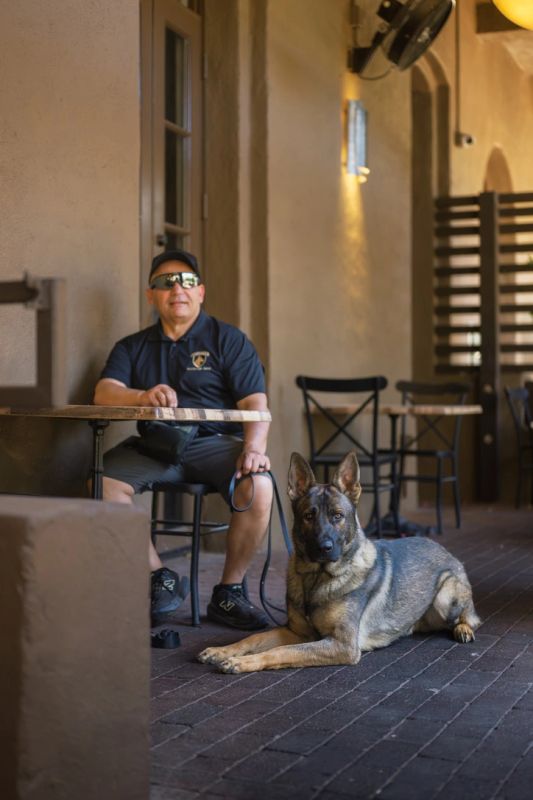
Because so many of our clients are families with children, we place particular emphasis on this specific area of socialization. Dogs in our program are exposed to children’s typical behavior, sudden movement, loud noise, pulling, hugging, unpredictable play, in a controlled way that teaches patience and tolerance rather than reactivity. That said, no amount of training replaces appropriate supervision, and we give every family clear, honest guidance during transfer training on how to manage the relationship between your dog and your children as it develops, especially in the first weeks after placement.
How Socialization Continues After Placement
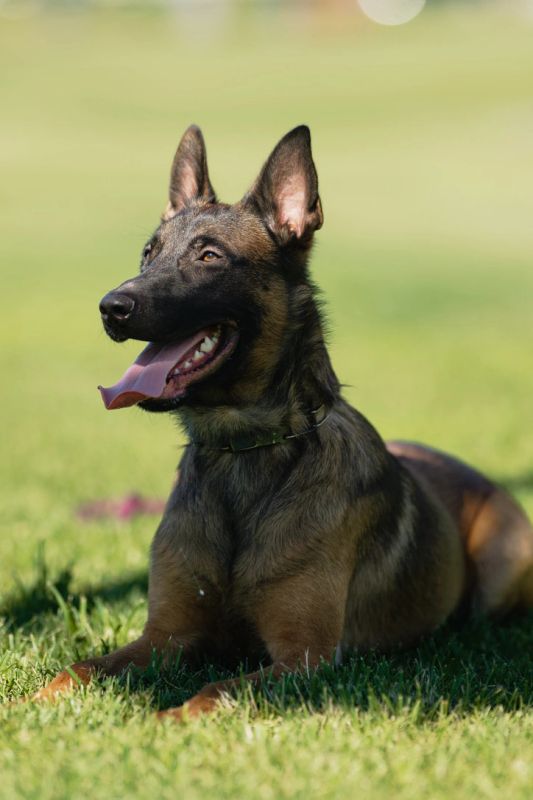
Socialization isn’t something that’s complete the day your dog is delivered. It benefits from continued reinforcement throughout your dog’s life. New environments, new people, and new experiences all continue to shape a dog’s comfort and behavior over time. We cover this in detail during transfer training, including specific guidance on maintaining and building on the socialization foundation your dog already has as your household and routine evolve.
Socialization and Other Pets
Many of our clients already have other dogs or pets at home, which makes socialization around animals a specific priority during training. Dogs in our program are exposed to other dogs in controlled settings to build comfortable, non-reactive behavior, though individual compatibility with your specific pets is still something worth discussing directly during your consultation, since temperament varies dog to dog even within a well-socialized group.
Socialization in Public Settings
Beyond the home environment, a well socialized protection dog needs to behave appropriately in public, on walks, in pet friendly stores, at outdoor events, or simply riding calmly in a vehicle. This matters for practical reasons: a dog that reacts poorly to crowds, loud environments, or unfamiliar dogs isn’t just inconvenient, it undermines the trust and control that make a protection dog safe to have around in the first place. Our socialization program includes deliberate exposure to these public settings, not just controlled scenarios within a training facility, because that’s the environment a dog actually has to function in once placed.
How Socialization Differs by Breed
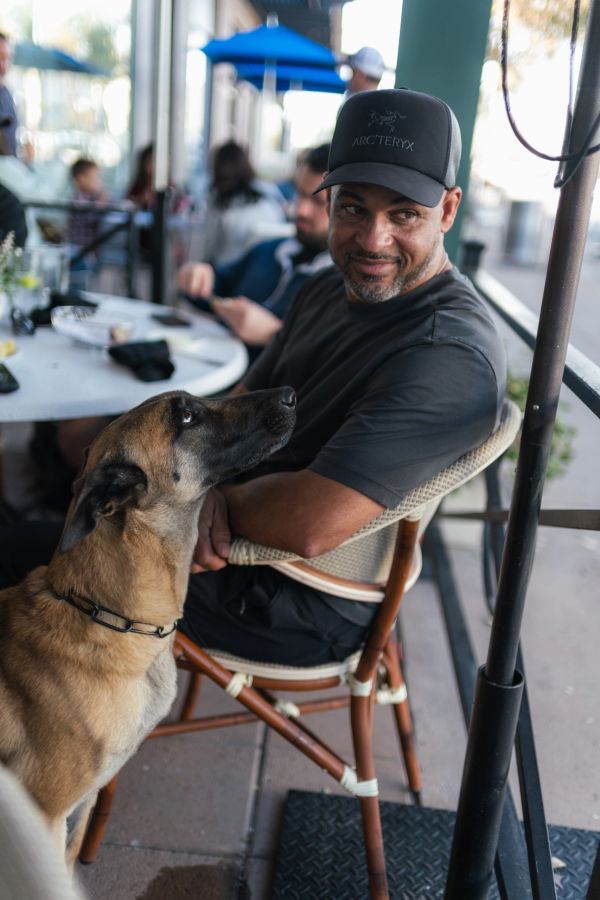
While every Guardian dog goes through the same core socialization process, the emphasis shifts slightly by breed and by individual temperament. A higher drive dog like a Belgian Malinois often needs more structured, repeated exposure to stay calm in stimulating environments, while a German Shepherd’s more even natural temperament can mean socialization progresses somewhat faster. Regardless of breed, no dog moves on to protection training until our trainers are confident its socialization is genuinely solid, not just adequate, but reliable across a range of real situations.
Questions About Our Approach?
If you’d like to understand more about how a specific dog’s socialization training was conducted, or want guidance on introducing a new dog to your household and children specifically, contact us directly at 610-401-7256 or info@guardianprotectiondogs.com.
Book a Free Consultation